How AI and ChatGPT Are Changing Digital Advertising in 2026

Rupesh
Published on October 9, 2026
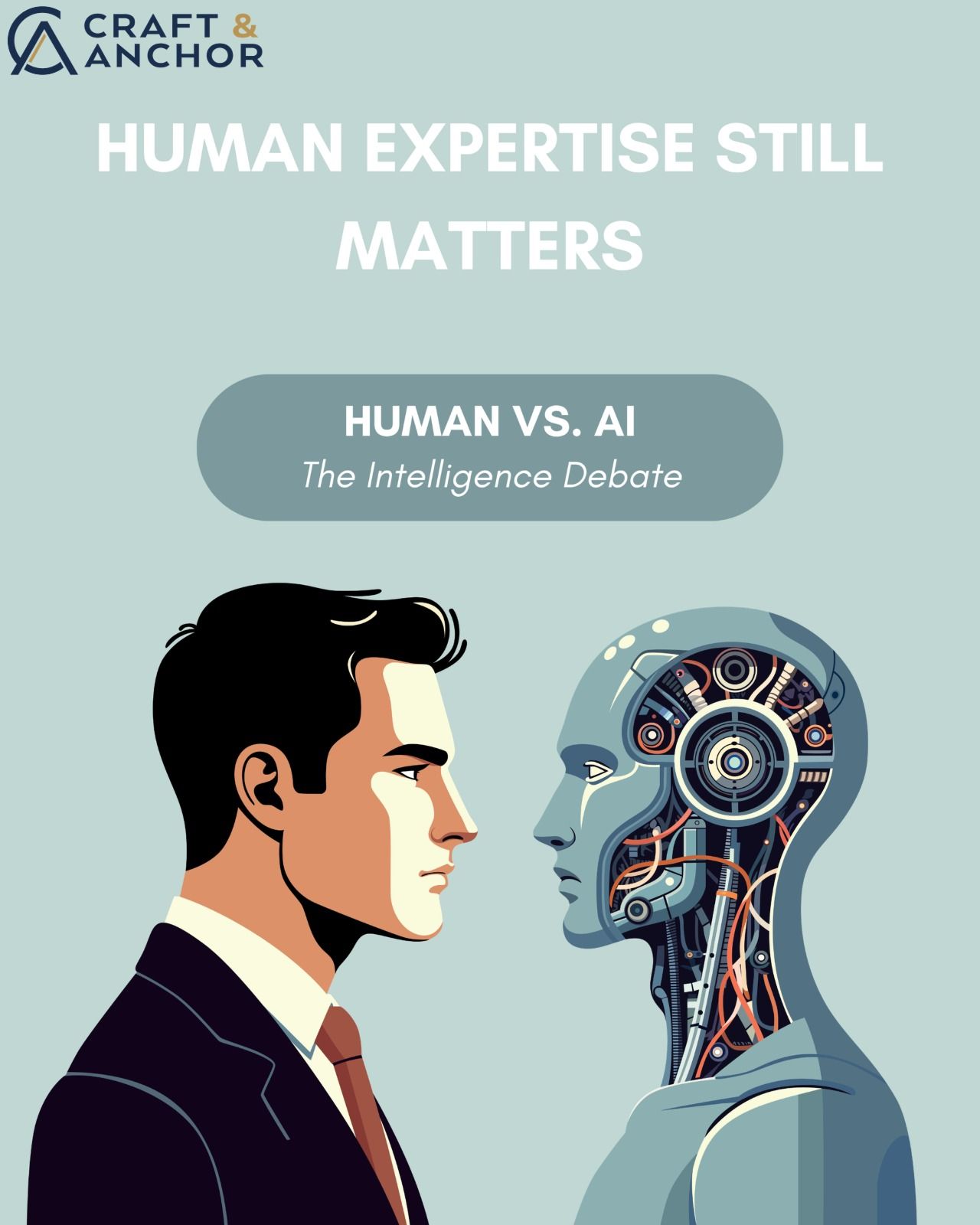
How AI and ChatGPT Are Changing Digital Advertising in 2026 Digital advertising is evolving faster than ever before. The era of manual campaign management, mass audience targeting, and traditional ad copy is over. We now h
ave intelligent tools that can assist with research, content creation, analysis, and campaign planning. Two of these increasingly useful technologies for marketers and business owners are artificial intelligence (AI) and ChatGPT. They can help teams to understand customer behaviour, to develop advertising ideas, to create variations of marketing content and to analyse large amounts of campaign data more efficiently. But AI is not eliminating the fundamentals of successful advertising. As always, a successful campaign is about knowing your audience, choosing the right offer, designing a relevant landing page and tracking meaningful business results. So, how exactly are AI and ChatGPT changing digital advertising in 2026? What Is AI-Powered Digital Advertising? AI-powered digital advertising uses machine learning, automation and data analysis to help marketers make better decisions at each stage of an advertising campaign. Instead of just using manual methods, marketers can use AI to spot patterns in how customers behave, come up with creative ideas, look at how well campaigns are doing and help with audience research. Google Ads and Meta Ads already have automation systems that let advertisers improve their campaigns based on signals and performance data. The biggest advantage for business is efficiency. Marketing teams can spend less time on repetitive tasks and more time on strategy, creative direction, customer experience and business growth. How ChatGPT Is Helping Digital Marketers The useful assistant ChatGPT has made many marketing tasks easier. It can assist marketers in brainstorming campaign ideas, structuring research, developing content variants, generating customer personas, and translating complex information into easy-to-understand copy. For example, an advertising team might use Chatbot to produce several headline suggestions for a given campaign, then refine them according to the company's tone and target audience. It can also help you determine questions that potential customers might ask before they purchase. These insights can be useful for writing ad copy, landing pages, FAQs, and supporting content. The important thing is that AI-generated suggestions shouldn't be auto-published without review. Human expertise is still needed to ensure accuracy, brand consistency and originality and context. AI Is Changing How Businesses Create Ad Copy Advertising copy writing has always been a manual process, requiring marketers to come up with multiple headlines, descriptions, calls to action, and creative concepts. AI is able to speed this up. A marketer can provide information about a product, target audience, customer challenge, and campaign goal and then use AI to create various creative directions. That’s not to say every AI-generated ad will be a winner. Effective advertising still needs testing. Can a headline that looks good on paper deliver qualified leads? Similarly, a powerful message may fall flat if it's not aligned with the landing page or customer intent. So AI is better viewed as a productivity tool, rather than an automatic replacement for marketing expertise. AI and Google Ads - From Automation to Better Decision Making Google Ads has increasingly incorporated automation and machine learning into campaign management. These systems can use signals from searches, users, devices, locations, and other factors to help advertisers optimize campaigns. For marketers, this creates a shift in how campaigns are managed. Instead of focusing only on manual keyword management, businesses need to pay greater attention to campaign structure, conversion tracking, creative assets, landing-page experience, audience signals, and the quality of the offer. AI can also support the research and analysis process. Marketers can use it to organise search themes, identify potential customer questions, analyse performance trends, and develop new testing ideas. But advertising decisions should still be based on actual campaign data rather than AI assumptions.
The Role of AI in Meta Advertising Meta advertising also relies heavily on automated systems to deliver audiences and optimize campaigns. For businesses running campaigns on Facebook and Instagram, artificial intelligence can help the advertising platform identify people who are more likely to respond to a particular campaign objective. This makes the quality of creativity even more important. Businesses may need to try out various images, videos, messages, hooks and offers, not just a single ad. Artificial intelligence can help generate ideas for these variations, but marketers still need to understand why the brand is different and what matters to the customer. Personalisation Is Becoming More Important One of the biggest opportunities AI creates is more relevant communication. Rather than sending the same generic message to everyone, businesses can create different content based on customer needs, interests, buying stages, and search intent. Someone looking for information about a service may need education, whereas someone who has already compared providers may be more ready to hear about pricing, proof, case studies or an offer for a one-to-one consultation. Artificial intelligence can help marketers map these various customer journeys and create content for each stage. We shouldn’t be trying to generate more content just because AI makes it easier to produce. The goal should be to make communication more useful, more relevant. Why Human Expertise Still Matters AI growth doesn’t replace seasoned marketers. AI is able to write text, analyse information and propose ideas, but it doesn’t inherently understand every business, customer, market condition or brand position. The human marketers will be the ones who ask the right questions, check information, understand business goals, review outputs and make strategic decisions. This is especially true in advertising where you are dealing with real budgets and real customers on a campaign. At Craft & Anchor we believe that technology is at its best when it supports strategy rather than replacing it. Artificial intelligence can assist in speeding up some parts of the marketing workflow, but the ultimate direction should be led by business goals and customer needs. How Businesses Can Use AI Responsibly in Advertising If you are a business thinking of using AI in your advertising strategy, here are some practical applications to get you started: ● Leverage AI to ideate and research campaigns. ● Write several versions of ad copy to test. ● Review campaign reports to identify areas for improvement. ● Create questions and content ideas for your customers. ● Conduct keyword and search intent research. ● Create first drafts of landing page content. ● Develop ideas for social advertising ● Review critical marketing material with a human prior to publication. This is how AI stays as a support and humans remain in the driver’s seat. What the Future of Digital Advertising Looks Like Digital advertising in 2026 is both more automated, more data-driven and more creative. Artificial intelligence can assist businesses to get through information more quickly and make more variations to test. The advertising platforms can automate parts of the delivery and optimisation of the campaign. But customers still want relevant experiences and useful communication. So automation alone is not enough for companies. The companies that successfully leverage these technologies will still need solid fundamentals: a clear value proposition, accurate tracking, quality creative, helpful landing pages, a defined audience and continuous testing. AI and ChatGPT are changing how marketers work but they are not changing the basic reason advertising succeeds - delivering the right message to the right audience at the right stage of the customer journey. Final Thoughts AI and ChatGPT are becoming valuable tools in modern digital advertising. From research and content creation to campaign analysis and creative testing, they can help marketing teams work more efficiently. But successful advertising is about more than generating content or automating campaigns. Businesses need a combination of technology, data, creativity, strategy, and human judgement. When AI is used as a tool within that broader process, it can help marketers explore new ideas, save time, and make their workflows more efficient. For businesses looking to adapt to the changing digital landscape, the opportunity is not simply to use more AI. It is to use AI more intelligently while keeping customers, business goals, and measurable results at the centre of the strategy. Craft & Anchor helps businesses build digital growth strategies across digital marketing, SEO, paid advertising, branding, and web development, combining technology with human-led strategy to create meaningful digital experiences. link 1"advertising campaign" (intro, "AI-powered digital advertising..." wale para me)- /services/digital-marketing 2"landing-page experience" ("AI Is Changing How Businesses Create Ad Copy" section)- /services/website-development 3"the brand is different" ("The Role of AI in Meta Advertising" section)- /services/branding 4"Craft & Anchor" ("Why Human Expertise Still Matters" section, pehla mention)- / (homepage) 5"digital marketing" (final paragraph)- /services/digital-marketing 6"branding" (final paragraph)- /services/branding 7 web development" (final paragraph)- /services/website-development